The Water Convention and the Protocol on Water and Health
Introduction

The Convention on the Protection and Use of Transboundary Watercourses and International Lakes (Water Convention) is a unique international legal instrument and intergovernmental platform which aims to ensure the sustainable use of transboundary water resources by facilitating cooperation. Initially negotiated as a regional instrument, it has been opened up for accession to all UN Member States in 2016.
The Protocol on Water and Health, jointly serviced by UNECE and WHO-Europe, is a unique legally binding instrument aiming to protect human health by better water management and by reducing water-related diseases. The Protocol provides a practical framework to translate into practice the human rights to water and sanitation and to implement SDG 6.
 |
In focus
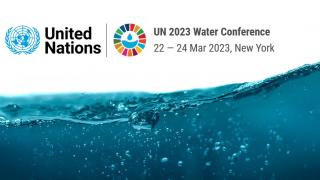
The UN 2023 Water Conference took place at UN Headquarters in New York, from 22 to 24 March 2023, co-hosted by Tajikistan and the Netherlands.
The UN Department of Economic and Social Affairs lead the preparatory process for the Conference. UNECE actively contributed to the preparatory process, including by organizing the Pan-European Regional Preparatory Meeting for the UN 2023 Water Conference (12-13 April 2022) and co-leading, together with UNESCO, the development of the concept paper for the Interactive Dialogue 4 on "Water for Cooperation". UNECE also organised and contributed to several side events at the Conference.
Learn more here.
The sixth session of the Meeting of the Parties to the Protocol (Geneva, 16-18 November 2022) was attended by 300 participants from 45 countries of the pan-European region, including more than 20 ministers, state secretaries and ambassadors.
Such broad and high-level participation confirms the relevance of the Protocol as an effective regional platform for policy-making on water, sanitation, hygiene and health, for knowledge exchange and for facilitating national progress and decision-making.
Next steps and future work
- The conclusions of the high-level session draw integrated messages on the actions needed to strengthen resilience against crises and the role of the Protocol in supporting such actions. They have been brought forward by Hungary, the new Chair of the Meeting of the Parties, as input for the 2023 United Nations Water Conference.
- The Meeting of the Parties adopted a new ambitious programme of work for 2023-2025 addressing key regional challenges and priorities.
- The interest in the Protocol is growing! Four countries (Italy, Kazakhstan, North Macedonia and Uzbekistan) are in the process of ratifying/acceding to the Protocol.
See the meeting highlights, key products and publications here.
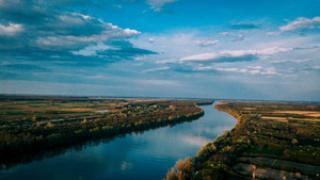
Since the Water Convention’s global opening in 2016, Chad, Senegal (2018), Ghana (2020), Guinea-Bissau, Togo (2021), Cameroon (2022), Iraq, Nigeria, The Gambia, Namibia and Panama (2023) acceded and many other countries are under accession processes. The Convention supports countries through the application of its strategy for implementation at global level and its recently adopted programme of work for 2022-2024 (detailed programme in ENG, FRE, RUS and SPA), which aims to strengthen cooperation and partnerships for the management of transboundary waters worldwide in order to promote sustainable development and peace.
The programme of work of the Protocol on Water and Health for 2020-2022 (available in ENG, FRE and RUS ) aims to address the main challenges related to water, sanitation and health in the pan-European region. The Protocol supports countries in areas such as preventing and reducing water-related diseases; institutional water, sanitation and hygiene; small-scale water supplies and sanitation, safe and efficient management of water supply and sanitation systems and equitable access to water and sanitation.
Upcoming Events
06 - 08 May
Salle XXVI, Palais des Nations
Geneva
Switzerland
Recent Events
23 - 24 April
Bratislava Slovakia
and online
16 - 17 April
Salle V, Palais des Nations, Geneva, Switzerland